

Introduction
Bleeding gums or persistent bad breath can leave you wondering whether the bacteria in your mouth are part of the problem. An oral microbiome test kit may seem like a way to find out, particularly if you can collect a sample at home.
These kits analyse microorganisms in a sample from your mouth, often saliva. A report may describe which microbes were detected, but it cannot examine your teeth and gums or establish the cause of a symptom on its own.
This guide is for adults in the UK who want to understand how oral microbiome testing works, what to check before choosing a kit and how to make sense of a report. Our approach is to seek appropriate professional advice first, keep track of relevant changes, and consider a test later only if it could add useful context to that conversation.
What Is an Oral Microbiome Test Kit?
Your oral microbiome is the community of microorganisms living in your mouth. It includes bacteria and can include other organisms, such as fungi. Different parts of the mouth provide different environments, so the microbes in saliva will not necessarily be the same as those in plaque around a particular tooth.
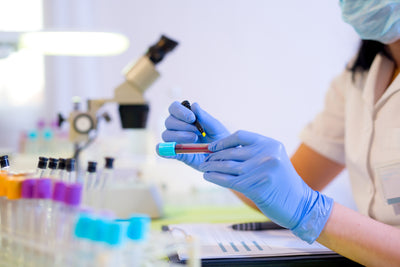
An oral microbiome test takes a sample and analyses it in a laboratory. Depending on the test, the sample may be saliva, a swab from a specified area or plaque collected by a dental professional.
The resulting report may list the microorganisms detected or group them into broader categories. Some reports also compare findings with a reference group or provide a score. The detail depends on what the test measures and how the laboratory presents its findings.
A home kit can make sample collection convenient, but a microbial profile is a snapshot of the sample, not a complete assessment of oral health. A dentist can examine your mouth, discuss symptoms and decide whether other checks are appropriate.


When to Seek Advice Before Testing
If you have an oral symptom, start by contacting a dentist rather than waiting for a microbiome kit. A dentist can assess concerns such as:
- Bleeding, swollen or sore gums.
- Persistent bad breath or an unpleasant taste.
- Toothache or sensitivity.
- A sore patch, ulcer or other change in your mouth that is not going away.
- A dry mouth that persists or makes eating, speaking or swallowing uncomfortable.
These symptoms can have different causes. A list of microbes in saliva cannot show a dentist exactly what is happening around each tooth or identify the reason for every change.
If you also have persistent general symptoms, or think a medicine may be contributing to a dry mouth, speak to your GP. Tell them about prescribed medicines and supplements, but do not stop or change a medicine without professional advice.
For urgent dental pain or swelling, contact a dentist promptly. If you cannot reach one, NHS 111 can advise you on accessing urgent care. Sudden severe symptoms, swelling of the lips, face or throat, breathing difficulty or collapse need immediate attention. Call 999 or go to A&E.
Keep a Useful Record
While arranging an appointment, note what you have noticed and when it began. A brief record can make a consultation more productive, especially when symptoms come and go.
You might record:
- Whether bleeding happens when brushing or between teeth.
- Where pain or soreness occurs and whether it is getting worse.
- When you first noticed a change in breath or mouth dryness.
- Recent changes to medicines, supplements or oral-care products.
- Any recent dental treatment and whether symptoms started before or after it.
You do not need to monitor every detail. The aim is to give your dentist or GP useful context, not to diagnose yourself from a pattern.
How Does an At-Home Oral Microbiome Test Work?
An at-home test usually involves ordering a collection kit, taking the requested sample and returning it to a laboratory. The laboratory then processes the sample and issues a report.
The exact steps vary. Some kits ask for saliva in a tube; others use a swab. Read the instructions for the particular kit before collecting anything, including any preparation, packaging and return requirements.
Saliva, Swab or Plaque?
The type of sample matters because it affects what the laboratory can examine.
Saliva is collected from the mouth as a whole. It is convenient to collect at home, but it does not represent a detailed sample from every site around every tooth.
A mouth swab collects material from the area specified by the test. A swab from the tongue, for example, answers a different sampling question from one taken elsewhere in the mouth.
A plaque sample comes from material on or around teeth. Some collection methods may need a dental professional, particularly when a sample is required from a specific site.
These approaches are not interchangeable. Before ordering, check where the sample comes from and whether that matches the question you want to discuss with your dentist. A general saliva report may be less useful if your concern is focused on one painful tooth or one area of gum.
Preparing and Returning Your Sample
Follow the kit’s own instructions on timing and preparation. Requirements may cover eating, drinking, brushing, mouthwash or recent dental treatment. They may also explain how much saliva to collect, where to use a swab and how to seal the container.
Do not assume that instructions for one kit apply to another. If you are unsure whether a medicine or recent treatment affects the sample, ask the test provider and your clinician. Do not interrupt prescribed treatment to make a sample fit a kit’s instructions.
Check the return arrangements before collection. These may include labelling the sample, using the supplied packaging and posting it within a specified period. If a kit contains a liquid or preservative, handle it according to its instructions and keep it away from children.
If you cannot collect enough saliva, accidentally touch the inside of a container, spill its contents or miss a return deadline, ask the provider what to do. It may be better to request advice or a replacement than to send a sample that may not be suitable for analysis.
What Happens During Oral Microbiome Analysis?
The laboratory uses its chosen method to look for microbial material in the sample. Some methods examine DNA, the genetic material that helps identify organisms. The choice of method affects which organisms can be detected and how precisely the laboratory can describe them.
One approach uses a bacterial genetic marker called the 16S ribosomal RNA gene, often shortened to 16S. It can help describe bacteria in a sample, but it does not automatically provide the same level of detail for every organism.
Another approach, called shotgun metagenomic sequencing, analyses a broader collection of DNA fragments in a sample. A broader method may provide different information, but its usefulness still depends on the sample, the laboratory’s analysis and how the results are interpreted.
Neither method means that a report captures everything living in your mouth. A test designed around bacteria, for example, should not be assumed to give a complete account of fungi or viruses. Ask the laboratory what its particular test is designed to detect.
DNA-based detection also needs careful interpretation. Finding genetic material from a microbe does not, by itself, show whether that organism is alive or what it is doing at the time of collection.
What Does a Laboratory Report Measure?
A report might show the proportion of a detected group compared with other groups in the sample. This is known as relative abundance. It describes a share of what was detected, rather than necessarily giving the total number of organisms in the mouth.
For example, if a report shows a larger proportion of one group, that could reflect a change in that group, a change in other groups, or both. It is not enough on its own to explain a symptom.
A laboratory may also compare your sample with a reference group. Before treating a comparison as a health target, ask who was included in that group, how the comparison was made and what it can reasonably tell you. A difference from a reference does not automatically mean that something needs treatment.
What Can an Oral Microbiome Test Tell You?
A test may give you a description of some microorganisms detected in the sample you sent. Depending on the method and report, it may also show how those findings compare with the laboratory’s chosen reference.
That information can prompt questions for a dental appointment. For example, you could ask whether a finding is relevant to the area of your mouth that concerns you and whether it changes anything about your care.
It is worth being cautious with labels such as high risk, imbalance or unhealthy. They may sound definitive, but their meaning depends on the test and the evidence behind the category. The presence of a named microbe does not establish that it is causing damage, just as not detecting one does not rule out an oral health problem.
A report cannot replace an examination or show, on its own:
- Whether a painful tooth needs dental treatment.
- The condition of each tooth and surrounding gum.
- The cause of persistent bad breath or a sore mouth.
- Whether a treatment or product will work for you.
- Whether you have, or will develop, a health condition elsewhere in the body.
A result can support a discussion with your dentist or GP. It should not be used alone to start treatment, stop prescribed medication or postpone an appointment for ongoing symptoms.
What About Repeat Testing?
A second sample might produce a different profile, but that change needs context. The sample site, collection method and recent treatments may differ. A change in a percentage can also reflect the way the report expresses the results.
Before paying for a repeat kit, ask what question it would answer and how you and your dentist would use the result. Repeating a test is not automatically more informative than reviewing symptoms and having an examination.
Choosing an Oral Microbiome Test in the UK
If you decide to explore a kit after speaking to a professional, check the practical details as well as the scientific description. Availability and services can vary, so confirm current arrangements directly before ordering.
Check the Sample and Analysis
Look for a clear explanation of:
- Sample type and site: Is it saliva, a swab or plaque, and where is it collected?
- Organisms covered: Does the test assess bacteria only, or other microorganisms too?
- Laboratory method: What does the method measure, and what are its limits?
- Report format: Will you see named organisms, broad groups, relative proportions or comparisons?
- Interpretation: Does the provider explain what its scores and reference ranges mean?
Be wary of a report description that promises to find the cause of every symptom or to give a complete picture of your health. More names on a report do not necessarily make its conclusions more useful.
Check the Laboratory and Support
Find out which laboratory analyses the sample and whether the service is intended for research, general information or a specific clinical use. Ask what evidence supports the way the report is interpreted for that use.
If a provider mentions accreditation, check which laboratory and activities it covers. Accreditation should not be treated as a guarantee that every interpretation or recommendation in a report is clinically useful for you.
Also check who can help you understand the result. A report may include general information, but your own dentist or GP can consider it alongside your symptoms, examination and medical history. Ask whether you can access a copy to share with them.
Check Delivery, Privacy and Costs
For a UK order, confirm that the kit can be sent to your address and returned from the UK. If the laboratory is elsewhere, check the return process and any additional charges before collecting a sample.
Read the current information about the total cost, including any collection, postage, interpretation or follow-up fees. Check what happens if a sample cannot be analysed and whether a replacement is available.
Finally, review how the service handles personal information and sample data. Look for details about how long information is retained, whether it may be used for research, whether it is shared and how to contact the provider with a privacy question.
How to Discuss a Report With Your Dentist or GP
Bring the full report, not just a screenshot of a score. Include the name of the test, the sample type and collection date, along with your symptom notes and relevant medication list.
Useful questions include:
- Does this result relate to the part of my mouth that is causing concern?
- Is there anything on examination that needs attention?
- What does this result add to the information already available?
- Is any suggested product or treatment appropriate for me?
- What should I do if the symptom continues or gets worse?
If the report recommends a mouthwash, supplement or other product, discuss it before making it a regular part of your care. A recommendation based on a general report may not take your dental history, medicines or individual needs into account.
For everyday oral care, continue with the routine your dental team recommends. Brushing with fluoride toothpaste twice a day and cleaning between your teeth are familiar parts of that routine. If brushing or cleaning between teeth causes pain or bleeding, ask your dentist for advice rather than avoiding the issue or relying on a test result.
Taking the Next Step
An oral microbiome test kit can describe some of the microorganisms in a mouth sample, but it cannot tell you on its own why you have a symptom or replace a dental examination. Its value depends on the sample, the analysis and whether the result helps answer a useful question.
Start with your dentist for an oral concern, and involve your GP when there are persistent general symptoms or relevant medication questions. If you are still considering a kit afterwards, ask your dentist what information would be useful before you order one.
FAQ
Can I test my oral microbiome at home?
Some kits let you collect saliva or a mouth swab at home and send it to a laboratory. Check the sample instructions, UK return arrangements and what the test measures before ordering. A home sample does not replace a dental examination.
Can a saliva test show why my gums bleed?
A saliva test cannot establish the cause of bleeding gums on its own. A dentist can examine your gums and teeth and consider your symptoms. Note when the bleeding happens and arrange an appointment, particularly if it persists.
How is an oral microbiome test different from a blood test?
An oral microbiome test analyses material from the mouth for microorganisms. A blood test measures substances or cells in a blood sample. They answer different questions, and a routine blood test does not provide an oral microbiome profile.
Should I change my mouthwash after receiving a result?
Speak to your dentist before making a change based solely on a microbiome report. Take the full report and any product recommendations to your appointment so they can be considered alongside your symptoms and dental history.